Rice is the most widely consumed food on the planet. More than half the world’s population depends on it as a daily staple — and in the world of plant-based cooking, rice is absolutely indispensable. It is the perfect base for curries, stews, stir fries, grain bowls, sushi, fried rice, rice salads, stuffed peppers, and dozens of other beloved vegan dishes. It is naturally vegan, naturally gluten-free, incredibly affordable, and endlessly versatile.
But here is the thing — as simple as rice seems, it is one of the most misunderstood ingredients in the kitchen. Too much water and it turns mushy and waterlogged. Too little water and it ends up hard and undercooked. The wrong technique for the wrong type of rice produces disappointing results every single time. And yet, with the right knowledge and the right method for each situation, cooking perfect rice becomes one of the easiest and most reliable skills in your entire cooking repertoire.
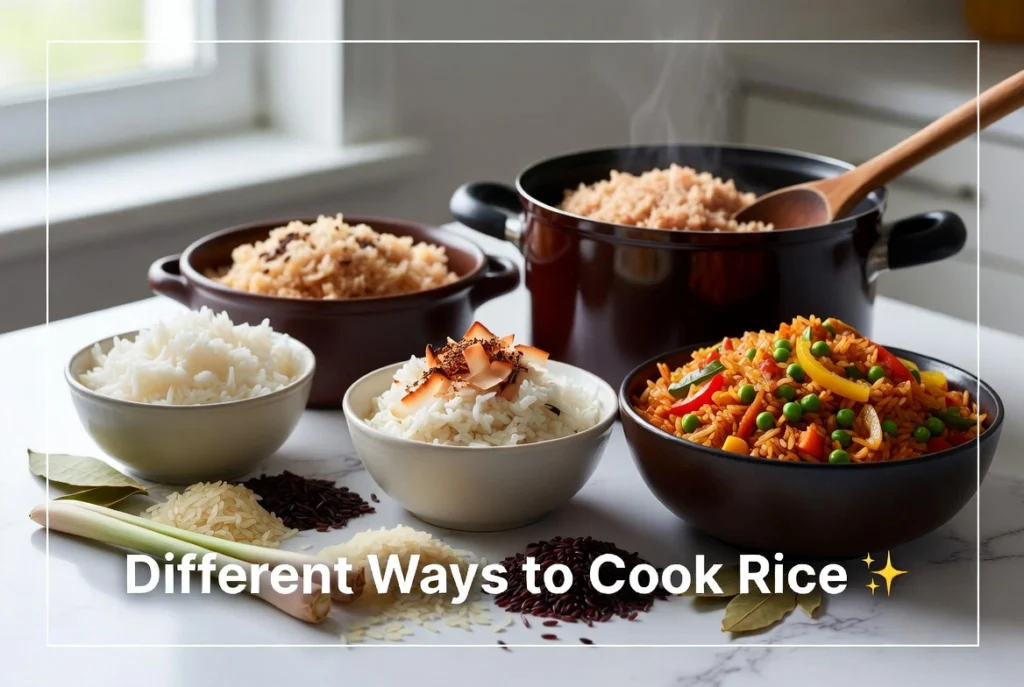
In this complete vegan guide to cooking rice, we are going to walk through eight different methods for cooking rice — from the classic stovetop method to coconut rice, pilaf, and fried rice — along with the best rice varieties for plant-based cooking, essential tips for perfect results every time, and how to store and reheat rice properly. By the time you finish reading this guide, you will never cook a disappointing pot of rice again.
Why Rice is a Vegan Kitchen Essential
Before we dive into the cooking methods, it is worth taking a moment to appreciate just how important rice is in plant-based cooking and why having it in your kitchen at all times is absolutely essential.
Rice is a complete carbohydrate powerhouse that provides sustained energy, easy digestibility, and a naturally neutral flavor that pairs beautifully with bold, spiced, and aromatic vegan dishes. It is one of the most budget-friendly ingredients available anywhere, with a long shelf life that makes it perfect for stocking up. It is naturally free from gluten, dairy, eggs, and all animal products, and it comes in dozens of varieties — each with its own unique flavor, texture, and best use — that keep vegan cooking endlessly interesting and varied.
From the fragrant, long-grain elegance of basmati rice to the short, sticky sweetness of sushi rice, from the nutty earthiness of brown rice to the extraordinary creaminess of risotto rice — understanding the different varieties and how to cook them perfectly unlocks an entirely new level of plant-based cooking excellence.
The Best Rice Varieties for Vegan Cooking
Different rice varieties suit different dishes and cooking methods. Here is a guide to the most important rice varieties for plant-based cooking:
Basmati rice: The long-grain, fragrant rice of South Asian cooking. Basmati is the perfect partner for curries, dals, and spiced dishes. Its individual, non-sticky grains absorb sauce beautifully without clumping. Always rinse basmati thoroughly before cooking.
Jasmine rice: The slightly sticky, subtly floral long-grain rice of Southeast Asian cooking. Jasmine rice is perfect for Thai curries, stir fries, and Asian-inspired grain bowls. It has a naturally soft, slightly clingy texture that makes it easy to eat with chopsticks.
Short-grain white rice: The starchy, slightly sticky rice used for sushi and Japanese-inspired dishes. Its natural stickiness makes it perfect for forming sushi rolls, rice balls, and rice cakes.
Brown rice: The whole grain version of white rice with the bran and germ layers intact. Brown rice has a nuttier, earthier flavor and chewier texture than white rice, along with significantly more fiber, vitamins, and minerals. It takes longer to cook but delivers far more nutritional value.
Wild rice: Technically a grass rather than a true rice, wild rice has a dramatic dark color, a nutty, slightly smoky flavor, and a satisfyingly chewy texture. Outstanding in grain bowls, salads, and stuffed vegetables.
Arborio rice: The short, starchy Italian rice used for risotto. Its high starch content releases slowly during cooking to create that extraordinary, creamy risotto consistency that is one of the most luxurious textures in all of plant-based cooking.
Black rice: Also called forbidden rice, black rice has a stunning deep purple-black color, a nutty flavor, and a pleasantly chewy texture. Rich in anthocyanin antioxidants, it is one of the most nutritious rice varieties available and makes a spectacular visual impact in bowls and salads.
Red rice: A nutty, slightly earthy whole grain rice with a beautiful russet color. Outstanding in salads, grain bowls, and alongside roasted vegetables.
Method 1 — The Classic Stovetop Method
The stovetop method is the most fundamental and most widely used way to cook rice. Master this method and you have the foundation for every other rice dish in your cooking repertoire.
The key to perfect stovetop rice is the correct water ratio and a tight-fitting lid that traps steam and cooks the rice evenly from top to bottom.
Water ratios for stovetop rice:
- White basmati or jasmine rice: 1 cup rice to 1.5 cups water
- Short-grain white rice: 1 cup rice to 1.25 cups water
- Brown rice: 1 cup rice to 2 cups water
- Wild rice: 1 cup rice to 3 cups water
Instructions:
- Rinse the rice thoroughly in a fine mesh strainer under cold running water until the water runs completely clear. This removes excess surface starch that causes clumping and mushiness. Basmati rice benefits from soaking in cold water for 20–30 minutes before cooking for the fluffiest, most separate grains.
- Combine the rinsed rice and cold water in a medium saucepan. Add a pinch of salt and a drizzle of olive oil or vegan butter if desired.
- Bring to a boil over high heat, stirring once. The moment the water reaches a full boil, reduce the heat to the lowest possible setting and cover with a tight-fitting lid.
- Cook undisturbed for the following times — white rice 12–15 minutes, brown rice 40–45 minutes, wild rice 45–50 minutes. Do not lift the lid during cooking. The trapped steam is what cooks the rice evenly from top to bottom.
- Remove from heat and allow to rest, still covered, for 5–10 minutes. This resting step is absolutely essential — it allows the remaining steam to redistribute evenly through the rice and produces fluffier, more separate grains.
- Uncover and fluff gently with a fork — never stir with a spoon as this breaks the grains and makes the rice gluey. Serve immediately.
Pro tips for perfect stovetop rice:
- Never lift the lid during cooking. Every time you lift the lid you release steam and disrupt the cooking process.
- Use cold water, not hot. Starting with cold water gives more even, controlled cooking.
- The resting step is non-negotiable. Even 5 minutes of resting time makes a significant difference to the final texture.
Method 2 — The Rice Cooker Method
A rice cooker is the most foolproof and hands-off way to cook perfect rice every single time. Once you have added the rice and water and pressed the button, the rice cooker monitors the temperature and cooking time automatically and switches to a warm setting the moment the rice is perfectly cooked. No watching, no timing, no risk of burning.
Instructions:
- Rinse the rice thoroughly until the water runs clear.
- Add the rinsed rice to the rice cooker bowl. Add water according to the rice cooker manufacturer’s instructions — most rice cookers use slightly different ratios than stovetop cooking.
- Add a pinch of salt and a drizzle of oil or vegan butter if desired.
- Close the lid and select the appropriate setting — white rice, brown rice, or mixed grain depending on your rice cooker model.
- Press start and walk away. The rice cooker will do everything else automatically.
- When the rice cooker switches to warm, allow the rice to rest for 10 minutes before opening the lid.
- Fluff with a fork and serve.
For vegan cooking, the rice cooker is particularly useful because you can use vegetable stock instead of water for an extra layer of flavor, add aromatics like garlic, lemongrass, or a bay leaf directly to the cooking liquid, and cook large batches for weekly meal prep with zero effort.
Method 3 — The Instant Pot / Pressure Cooker Method
The Instant Pot has revolutionized home cooking for millions of people — and for good reason. Pressure cooking rice produces extraordinarily fluffy, perfectly cooked results in a fraction of the time of stovetop cooking, making it the ideal method for busy weeknights.
Water ratios for Instant Pot rice:
- White rice: 1 cup rice to 1 cup water (equal parts)
- Brown rice: 1 cup rice to 1.25 cups water
Instructions:
- Rinse the rice thoroughly until the water runs clear.
- Add the rinsed rice and water to the Instant Pot inner pot. Add a pinch of salt and a drizzle of oil if desired.
- Seal the lid and set the valve to sealing position.
- Cook on high pressure — white rice for 3 minutes, brown rice for 22 minutes.
- Allow natural pressure release for 10 minutes, then carefully switch the valve to venting to release any remaining pressure.
- Open the lid carefully, fluff with a fork, and serve immediately.
The Instant Pot method is particularly outstanding for brown rice — cutting the cooking time from 45 minutes on the stovetop to just 22 minutes under pressure while producing equally fluffy and delicious results.
Method 4 — The Oven Baked Method
Oven baked rice is one of the most underrated and most reliable methods for cooking large batches of perfectly fluffy rice. The even heat of the oven cooks the rice gently and uniformly from all sides, producing results that are consistently excellent without any risk of the bottom burning — which can happen with stovetop rice if the heat is too high.
This method is perfect for cooking rice for a large family dinner or meal prep session when you need a big batch without standing over the stove.
Water ratio: 1 cup rice to 1.75 cups boiling water or vegetable stock
Instructions:
- Preheat your oven to 180°C (350°F).
- Rinse the rice thoroughly and place in a deep oven-safe baking dish or Dutch oven with a tight-fitting lid.
- Pour boiling water or hot vegetable stock over the rice. Using boiling liquid is essential for this method as cold liquid would take too long to heat up in the oven and produce unevenly cooked rice.
- Add salt, a drizzle of olive oil, and any aromatics you like — a bay leaf, a few cardamom pods, a cinnamon stick, or a clove of garlic all work beautifully.
- Cover tightly with the lid or with a double layer of foil, sealing the edges completely.
- Bake for 25–30 minutes for white rice or 60–65 minutes for brown rice until all the liquid has been absorbed.
- Remove from the oven and allow to rest covered for 10 minutes.
- Fluff with a fork and serve.
Method 5 — The Microwave Method
The microwave method is the quickest and most convenient way to cook a small portion of rice when you need it fast. While it does not produce quite the same results as the stovetop or rice cooker methods for large batches, it is perfectly adequate for a single or double serving and ready in just 10–12 minutes.
Water ratio: 1 cup rice to 2 cups water
Instructions:
- Rinse the rice thoroughly and place in a deep microwave-safe bowl. The bowl needs to be large enough to allow for boiling and expansion — use a bowl at least three times the volume of the uncooked rice.
- Add water and a pinch of salt. Stir briefly.
- Cover with a microwave-safe plate or microwave-safe plastic wrap, leaving a small gap for steam to escape.
- Microwave on high power for 5 minutes, then reduce to 50% power and microwave for a further 15 minutes.
- Allow to rest covered for 5 minutes.
- Carefully remove the cover — the bowl and steam will be very hot. Fluff with a fork and serve.
Method 6 — Coconut Rice
Coconut rice is one of the most beloved and most delicious ways to cook rice in vegan cooking. Replacing plain water with full-fat coconut milk produces rice that is rich, slightly sweet, intensely fragrant, and utterly irresistible. It pairs beautifully with Thai curries, Caribbean-inspired dishes, tropical grain bowls, and any recipe where you want the rice itself to be a flavor experience rather than just a neutral base.
Ingredients (serves 4):
- 1.5 cups jasmine or basmati rice, rinsed
- 1 can (400ml) full-fat coconut milk
- ¾ cup (180ml) water or vegetable stock
- ½ tsp salt
- 1 tsp sugar or maple syrup (optional)
- 2 kaffir lime leaves or a stalk of lemongrass (optional — adds beautiful fragrance)
Instructions:
- Combine rinsed rice, coconut milk, water, salt, sugar, and aromatics in a medium saucepan.
- Bring to a gentle boil over medium heat, stirring once.
- Reduce heat to the lowest setting, cover with a tight lid, and cook for 15 minutes.
- Remove from heat and rest covered for 10 minutes.
- Remove kaffir lime leaves or lemongrass. Fluff gently with a fork and serve immediately.
Coconut rice is extraordinary alongside chickpea curry, black bean stew, roasted sweet potato, mango salsa, or any Thai or Caribbean-inspired vegan dish.
Method 7 — Vegan Fried Rice
Vegan fried rice is one of the most satisfying, flavorful, and versatile dishes in all of plant-based cooking. The key to truly great fried rice — the kind with that smoky, wok-charred depth of flavor known in Chinese cooking as wok hei — is using day-old cold rice. Fresh rice is too wet and steamy to fry properly and produces a clumpy, gluey result. Cold leftover rice that has dried out slightly in the fridge fries beautifully and produces those perfectly separate, lightly charred grains that make fried rice so irresistible.
Ingredients (serves 4):
- 3 cups cold cooked rice (day-old is ideal)
- 200g firm tofu, pressed and crumbled
- 1 cup frozen peas and corn, thawed
- 2 medium carrots, finely diced
- 3 spring onions, thinly sliced
- 4 cloves garlic, minced
- 1 tbsp fresh ginger, grated
- 3 tbsp soy sauce or tamari
- 1 tbsp sesame oil
- 1 tbsp rice vinegar
- 1 tsp maple syrup
- 2 tbsp neutral oil (for frying)
- 1 tsp turmeric (for color — replaces egg)
- Sesame seeds and extra spring onions to garnish
Instructions:
- Heat a large wok or skillet over the highest possible heat until smoking. High heat is the absolute key to great fried rice.
- Add oil and crumbled tofu mixed with turmeric. Fry for 3–4 minutes, stirring constantly, until golden and lightly crispy. Push to the side of the wok.
- Add garlic and ginger. Stir fry for 30 seconds until fragrant.
- Add the carrots and fry for 2 minutes until slightly softened.
- Add the cold rice to the wok. Break up any clumps and spread it across the entire surface of the wok. Leave undisturbed for 1–2 minutes to allow the bottom layer to develop a slight char, then toss and repeat. This is what creates that incredible smoky fried rice flavor.
- Add the peas and corn and toss to combine.
- Pour the soy sauce, sesame oil, rice vinegar, and maple syrup over the rice. Toss everything together vigorously for 1–2 minutes until evenly coated and steaming.
- Remove from heat and stir through the spring onions. Garnish with sesame seeds and serve immediately.
Method 8 — Vegan Rice Pilaf
Rice pilaf is a technique rather than a recipe — and it is one that transforms ordinary rice into something deeply flavorful and aromatic. In the pilaf method the rice is first toasted in oil or vegan butter with aromatics before the cooking liquid is added. This toasting step coats each grain of rice in fat, which gelatinizes the starch differently and produces rice with a wonderfully nutty flavor and beautifully separate, fluffy grains.
Ingredients (serves 4):
- 1.5 cups basmati rice, rinsed and dried
- 2 tbsp vegan butter or olive oil
- 1 medium onion, finely diced
- 3 cloves garlic, minced
- 2.25 cups hot vegetable stock
- 1 tsp cumin seeds
- 1 cinnamon stick
- 3 cardamom pods, lightly crushed
- 2 bay leaves
- ½ tsp turmeric
- ½ tsp salt
- ¼ cup raisins or dried cranberries (optional)
- ¼ cup toasted almonds or pistachios (optional)
- Fresh parsley or cilantro to garnish
Instructions:
- Heat vegan butter in a medium saucepan over medium heat. Add cumin seeds, cinnamon stick, cardamom pods, and bay leaves. Toast for 30–45 seconds until fragrant.
- Add the diced onion and cook for 5–6 minutes until soft and golden. Add garlic and cook for 1 minute.
- Add the rinsed and dried rice to the pot. Stir to coat every grain in the butter and aromatics. Toast the rice for 2–3 minutes, stirring frequently, until the grains become slightly translucent and smell nutty and fragrant.
- Pour in the hot vegetable stock. Add turmeric and salt. Stir once and bring to a boil.
- Reduce heat to the lowest setting, cover tightly, and cook for 15 minutes undisturbed.
- Remove from heat and rest covered for 10 minutes.
- Stir in raisins if using. Fluff gently with a fork, removing the cinnamon stick, cardamom pods, and bay leaves.
- Transfer to a serving dish and top with toasted almonds or pistachios and fresh herbs.
Vegan rice pilaf is extraordinary alongside chickpea curry, roasted vegetables, stuffed peppers, or any Middle Eastern or Indian-inspired vegan main dish.
Essential Tips for Perfect Rice Every Single Time
Regardless of which method you use, these universal tips will ensure perfect rice results every time:
Rinse your rice. Rinsing removes excess surface starch that causes clumping and produces a gummy, sticky texture. Rinse in cold water until the water runs completely clear — usually 2–3 rinses.
Use the right water ratio. Different rice varieties require different amounts of water. Using too much water produces mushy, waterlogged rice. Too little produces hard, undercooked rice. Follow the specific ratios given for each variety.
Never skip the resting step. Allowing cooked rice to rest off the heat, still covered, for 5–10 minutes is one of the most important steps in rice cooking. It redistributes steam evenly and produces dramatically fluffier results.
Use vegetable stock instead of water. For an instant flavor upgrade in any rice dish, replace the plain water with vegetable stock. The difference in depth and richness of flavor is extraordinary and immediately elevates whatever dish you are serving the rice with.
Fluff with a fork, never stir with a spoon. A fork separates the grains gently without breaking them. Stirring with a spoon crushes the grains and releases starch, making the rice gluey and clumped.
Toast the rice for pilaf. If you have an extra 3 minutes, toasting the dry rice in vegan butter before adding liquid adds a wonderful nutty depth that takes the flavor of any rice dish to another level.
How to Store and Reheat Rice Safely
Proper rice storage is extremely important for food safety. Cooked rice can harbor Bacillus cereus — a bacteria that produces toxins when rice is left at room temperature for extended periods. Always follow these guidelines:
Refrigerator: Cool cooked rice as quickly as possible and refrigerate within one hour of cooking. Store in an airtight container for up to 4 days.
Freezer: Portion cooled rice into individual servings and freeze in sealed containers or zip-lock bags for up to 3 months. Freeze flat for the quickest, most even thawing.
Reheating: Always reheat rice until it is piping hot all the way through — never just warm. Add a splash of water before reheating to restore moisture. Microwave with a damp paper towel over the top, or reheat in a pan with a splash of water over medium heat, stirring frequently.
Never reheat rice more than once. Reheating rice multiple times significantly increases the risk of food poisoning. Only reheat the amount you plan to eat.
The Nutritional Benefits of Rice in a Vegan Diet
Rice is not just a delicious and versatile staple — it is also a genuinely nutritious foundation for plant-based eating:
White rice: Provides easily digestible carbohydrates for sustained energy, small amounts of protein, and is naturally low in fat. Many white rice varieties are enriched with iron and B vitamins.
Brown rice: A whole grain with significantly more nutritional value than white rice. Rich in fiber, Vitamin B1, Vitamin B3, Vitamin B6, magnesium, phosphorus, and manganese. The fiber content supports healthy digestion, lowers cholesterol, and stabilizes blood sugar levels.
Black rice: Among the most antioxidant-rich rice varieties available, loaded with anthocyanins that protect against inflammation and oxidative stress. Also a good source of iron and Vitamin E.
Wild rice: Exceptionally high in protein for a grain — providing approximately 7g per cup cooked. Also rich in folate, magnesium, zinc, and antioxidants.
Final Thoughts
Rice is one of the most important, most versatile, and most beloved ingredients in all of plant-based cooking — and knowing how to cook it perfectly using the right method for the right occasion is a skill that will serve you every single day in the kitchen. Whether you are making a fragrant basmati pilaf to serve alongside chickpea curry, a creamy coconut rice for a Thai-inspired bowl, a smoky vegan fried rice for a quick weeknight dinner, or simply a perfectly fluffy pot of brown rice for your weekly meal prep — the knowledge in this guide gives you everything you need to succeed every single time.
At The Green Kitchen we believe that the fundamentals of great plant-based cooking begin with mastering the basics — and rice is one of the most fundamental ingredients of all. Browse our full collection of vegan recipes and discover dozens of delicious ways to use perfectly cooked rice in your plant-based kitchen. 🌿
Have a question about cooking rice or a tip you would like to share? Leave a comment below — we love hearing from The Green Kitchen community!
Rice pairs perfectly with our Coconut Chickpea Curry — creamy, deeply spiced, and ready in just 30 minutes.

Sonia is a passionate plant-based cook and the lead recipe creator at The Green Kitchen. With years of experience crafting vibrant, wholesome vegan meals, she believes that healthy eating should be exciting, flavorful, and accessible to everyone. Her recipes are tested, practical, and designed to bring joy to your kitchen every single day.