
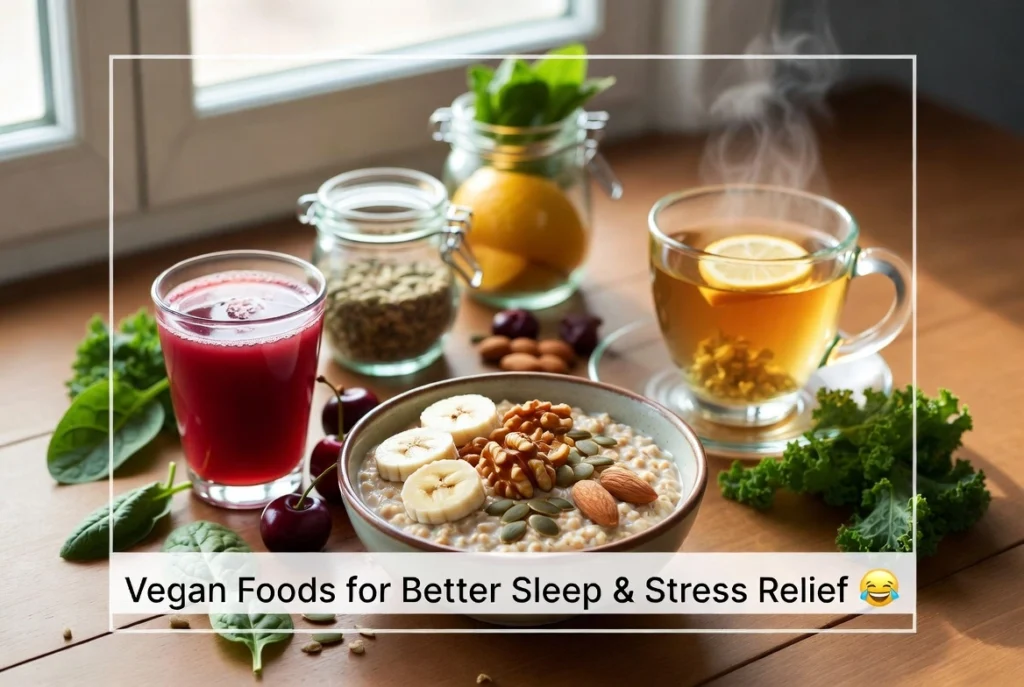
In today’s fast-paced, always-connected world, getting a good night’s sleep and managing stress effectively have become two of the most pressing health challenges people face. Millions of people around the world struggle with poor sleep quality, chronic stress, and anxiety — and the consequences for physical health, mental wellbeing, and quality of life are profound and far-reaching.
What most people do not realize is that what you eat has a direct and measurable impact on both the quality of your sleep and your ability to manage stress. The foods you consume influence the production of sleep-regulating hormones like melatonin, the synthesis of calming neurotransmitters like serotonin and GABA, the regulation of the stress hormone cortisol, and the health of your nervous system as a whole. And a well-planned whole food plant-based diet is extraordinarily rich in the specific nutrients that support deep, restorative sleep and a calm, resilient stress response.
In this article we are going to explore the top ten vegan foods for better sleep and stress relief — what makes each one so powerful, which specific nutrients they contain, and practical ways to incorporate them into your daily plant-based diet. Whether you are struggling with insomnia, dealing with chronic stress, or simply looking to optimize your sleep and wellbeing through better nutrition — this guide has everything you need.
The Connection Between Food, Sleep, and Stress
Before we dive into the specific foods, it is worth understanding the nutritional science behind why certain plant foods support better sleep and stress relief.
Sleep is regulated primarily by two hormones — melatonin and cortisol. Melatonin is the sleep hormone that rises in the evening as darkness falls and signals to the body that it is time to sleep. Cortisol is the stress and wakefulness hormone that rises in the morning and should fall progressively throughout the day. When this hormonal rhythm is disrupted — by stress, poor nutrition, excessive screen time, or irregular sleep schedules — sleep quality deteriorates significantly.
Serotonin is the neurotransmitter most directly connected to both mood regulation and sleep quality. It is the direct precursor to melatonin — meaning that adequate serotonin production is essential for adequate melatonin production. Serotonin is synthesized from tryptophan — an essential amino acid that must come from food. Plant foods are rich in tryptophan.
GABA is the brain’s primary inhibitory neurotransmitter — it calms neural activity, reduces anxiety, and promotes relaxation and sleep onset. Several plant foods directly support GABA production and activity.
Magnesium is perhaps the single most important mineral for sleep and stress regulation. It activates the parasympathetic nervous system — the rest and digest system — reduces cortisol, supports GABA activity, and regulates the production of melatonin. Magnesium deficiency is extraordinarily common and is directly associated with poor sleep quality, anxiety, and heightened stress responses.
Understanding these mechanisms helps explain exactly why the ten plant foods below are so powerfully effective for improving sleep and reducing stress.
1. Pumpkin Seeds — The Magnesium and Tryptophan Champion
Pumpkin seeds are arguably the single most powerful sleep and stress-supporting food in the entire plant kingdom — and they are woefully underappreciated. A small 30g handful of pumpkin seeds provides approximately 37% of the daily recommended magnesium intake along with a generous supply of tryptophan — the essential amino acid that the body converts into serotonin and ultimately into melatonin.
This combination of magnesium and tryptophan makes pumpkin seeds a genuinely extraordinary food for sleep support. The magnesium activates the parasympathetic nervous system and reduces cortisol, creating the physiological conditions for deep relaxation. The tryptophan provides the raw material for melatonin synthesis. Together they create a powerful, natural sleep-supporting nutritional package.
Pumpkin seeds are also rich in zinc — which plays a direct role in converting tryptophan to serotonin — and glycine, an amino acid that has been shown in clinical research to improve sleep quality and reduce daytime sleepiness when consumed before bed.
How to eat them for sleep and stress relief: Sprinkle over evening meals, add to a small pre-bedtime snack with banana, or blend into a relaxing evening smoothie with plant milk and a drizzle of honey.
2. Bananas — Nature’s Sleep Supplement
Bananas are one of the most convenient, most affordable, and most effective natural sleep-supporting foods available anywhere. They contain a unique and powerful combination of tryptophan, magnesium, potassium, and Vitamin B6 that collectively support melatonin production, muscle relaxation, and nervous system calm.
Vitamin B6 is particularly important here. It is the cofactor that converts tryptophan into serotonin — meaning that without adequate B6, even a tryptophan-rich diet will not produce the serotonin and melatonin needed for quality sleep. Bananas are one of the best dietary sources of B6 available in the plant world.
The natural sugars in ripe bananas also create a gentle insulin response that helps tryptophan cross the blood-brain barrier more efficiently — making the tryptophan more available to the brain for serotonin synthesis.
Potassium and magnesium in bananas work together to relax muscles, reduce physical tension, and calm the nervous system — making bananas particularly helpful for people who experience physical tension and restlessness that prevents sleep onset.
How to eat them for sleep and stress relief: Eat a ripe banana 30–60 minutes before bed as a simple, effective pre-sleep snack. Blend into a warm banana oat smoothie with plant milk and cinnamon. Combine with pumpkin seeds for a particularly powerful sleep-supporting snack combination.
3. Oats — The Serotonin and Melatonin Grain
Oats are one of the most sleep-supportive grains available anywhere — and they are also one of the most comforting, warming, and satisfying foods in the plant kingdom. They contain a unique combination of complex carbohydrates that stimulate insulin production and facilitate tryptophan uptake in the brain, along with melatonin itself — oats are one of the few plant foods that contain meaningful amounts of dietary melatonin.
The beta-glucan soluble fiber in oats produces a slow, sustained release of glucose that maintains stable blood sugar levels throughout the night — preventing the blood sugar crashes that can cause middle-of-the-night waking and disrupted sleep.
Oats also contain significant amounts of magnesium, phosphorus, and silicon — minerals that support nervous system function and stress resilience. Their warming, comforting quality makes them an ideal evening food that signals to the body and mind that it is time to wind down and prepare for sleep.
How to eat them for sleep and stress relief: Prepare a warm bowl of oat porridge in the evening with plant milk, banana, cinnamon, and a sprinkle of pumpkin seeds. Make overnight oats with tart cherry juice for an extraordinarily sleep-supportive breakfast or evening snack.
4. Tart Cherries — The Melatonin Superfood
Tart cherries — also called sour cherries — are one of the most remarkable and well-researched sleep-supporting foods in the entire plant kingdom. They are one of the richest whole food sources of dietary melatonin available anywhere and have been the subject of multiple clinical trials demonstrating significant improvements in sleep duration, sleep quality, and insomnia symptoms with regular consumption.
A 2012 study published in the European Journal of Nutrition found that adults who drank tart cherry juice twice daily experienced significant increases in sleep time and sleep efficiency compared to a placebo group. The researchers attributed these effects primarily to the melatonin content of tart cherry juice along with its powerful anti-inflammatory and antioxidant compounds.
Tart cherries are also rich in anthocyanin antioxidants that reduce systemic inflammation — one of the most significant but least recognized contributors to poor sleep quality. Chronic inflammation disrupts the body’s hormonal rhythms and directly impairs both the quantity and quality of sleep.
How to eat them for sleep and stress relief: Drink a small glass of pure tart cherry juice 30–60 minutes before bed. Add frozen tart cherries to evening smoothies. Mix dried tart cherries into overnight oats or evening trail mix.
5. Almonds — The Magnesium and Healthy Fat Sleep Supporter
Almonds are one of the best plant-based sources of magnesium available anywhere — just 30g of almonds provides approximately 19% of the daily recommended magnesium intake. As discussed above, magnesium is one of the most critical nutrients for sleep quality and stress regulation, activating the parasympathetic nervous system, reducing cortisol, and supporting GABA activity in the brain.
Almonds also provide tryptophan, melatonin, and heart-healthy monounsaturated fats that support stable blood sugar levels throughout the night. Their protein content helps maintain steady amino acid availability for serotonin and melatonin production during the sleep hours.
Research has consistently shown that people with higher magnesium intakes have better sleep quality, fall asleep faster, and experience less nighttime waking than those with lower magnesium intakes. For anyone struggling with sleep, ensuring adequate magnesium through almond consumption is one of the simplest and most effective nutritional interventions available.
How to eat them for sleep and stress relief: Eat a small handful of raw almonds as an evening snack. Spread almond butter on whole grain toast before bed. Add to warm oat porridge with banana and cinnamon for a powerfully sleep-supportive evening meal.
6. Chamomile Tea — The Ancient Relaxation Remedy
Chamomile tea has been used as a natural sleep and relaxation remedy across cultures for thousands of years — and modern science has confirmed what traditional healers have always known. Chamomile contains a powerful flavonoid called apigenin that binds to GABA receptors in the brain — the same receptors targeted by benzodiazepine anti-anxiety medications — producing a gentle but meaningful calming and sedative effect.
A 2017 study published in the journal Phytomedicine found that long-term chamomile use significantly improved sleep quality and reduced generalized anxiety disorder symptoms in adults. Multiple other studies have demonstrated chamomile’s effectiveness for reducing cortisol, lowering heart rate, and promoting the relaxed physiological state necessary for sleep onset.
Chamomile tea is completely caffeine-free, naturally vegan, and one of the gentlest and most pleasant natural sleep remedies available. It works best when consumed as part of a consistent evening wind-down routine.
How to drink it for sleep and stress relief: Brew a strong cup of chamomile tea 30–60 minutes before bed. Add a drizzle of maple syrup and a slice of lemon. Combine with lavender for an even more powerfully relaxing evening blend. Make chamomile oat milk latte by brewing chamomile tea concentrate and mixing with warm frothed oat milk.
7. Leafy Greens — The Calcium and Magnesium Foundation
Dark leafy greens — spinach, kale, Swiss chard, and collard greens — are among the most magnesium-rich and calcium-rich plant foods available and both minerals play critical roles in sleep quality and stress regulation.
Calcium works in direct partnership with magnesium for sleep. It helps the brain use tryptophan to manufacture melatonin and plays a critical role in regulating the sleep cycle. Research has shown that calcium deficiency directly disrupts REM sleep — the most restorative phase of the sleep cycle — and that restoring calcium levels through diet improves sleep quality significantly.
The combination of calcium, magnesium, folate, and Vitamin K in dark leafy greens creates a comprehensive nutritional package that supports healthy nervous system function, reduces physical tension, promotes relaxation, and supports the hormonal rhythms that regulate healthy sleep.
How to eat them for sleep and stress relief: Add a large handful of spinach to evening smoothies — it blends invisibly with banana and plant milk. Sauté kale or Swiss chard with garlic and olive oil as a side dish at dinner. Add dark leafy greens to evening soups, curries, and pasta dishes for a consistent daily supply of sleep-supporting minerals.
8. Walnuts — The Complete Sleep Nutrition Package
Walnuts are one of the most complete sleep-supporting foods in the plant kingdom — containing melatonin, serotonin, tryptophan, magnesium, and omega-3 fatty acids all in a single, convenient, delicious package.
The omega-3 fatty acids in walnuts — particularly ALA which converts to EPA and DHA — are particularly valuable for stress relief and sleep quality. DHA supports the production of serotonin receptors in the brain, improves the brain’s sensitivity to melatonin, and has powerful anti-inflammatory effects that support healthy sleep architecture. Multiple studies have shown that higher omega-3 intakes are associated with better sleep quality, faster sleep onset, and reduced nighttime waking.
Walnuts are also one of the very few whole food sources of melatonin — containing small but meaningful amounts of the sleep hormone directly, in addition to the precursors that the body uses to manufacture it.
How to eat them for sleep and stress relief: Eat a small handful of walnuts as an evening snack 1–2 hours before bed. Add to evening oatmeal with tart cherries and pumpkin seeds. Blend into a relaxing evening smoothie with banana, plant milk, and a pinch of cinnamon.
9. Ashwagandha — The Ancient Stress Adaptogen
Ashwagandha is one of the most well-researched and most powerful natural stress-relief and sleep-supporting substances available in the plant world. It is an adaptogenic herb — meaning it helps the body adapt to and manage stress more effectively — that has been used in Ayurvedic medicine for over 3,000 years and is now supported by an impressive and growing body of modern clinical research.
Multiple randomized controlled trials have demonstrated that ashwagandha supplementation significantly reduces serum cortisol levels, reduces perceived stress and anxiety, improves sleep quality and sleep onset latency, and enhances overall wellbeing in adults with chronic stress and insomnia.
A 2019 study published in Medicine found that ashwagandha root extract significantly improved sleep quality and mental alertness upon waking in adults with insomnia. A 2012 study published in the Indian Journal of Psychological Medicine found that ashwagandha supplementation reduced cortisol levels by 27.9% compared to placebo.
Ashwagandha is available as a powder that can be added to smoothies, warm plant milk drinks, and energy balls, or as a supplement capsule.
How to use it for sleep and stress relief: Add half a teaspoon of ashwagandha powder to a warm oat milk drink before bed with a pinch of cinnamon and a drizzle of maple syrup — a drink known in wellness circles as moon milk. Add to smoothies or energy balls. Take as a supplement capsule according to package instructions. Always choose organic ashwagandha from a reputable source.
10. Dark Chocolate — The Magnesium and Mood Booster
Dark chocolate is perhaps the most delicious item on this entire list — and the good news is that it is genuinely powerful for both stress relief and sleep quality when consumed in the right amounts and at the right time.
High quality dark chocolate with 70% or more cocoa solids is one of the richest food sources of magnesium available anywhere — a 30g serving provides approximately 16% of the daily recommended magnesium intake. It also contains theobromine — a mild stimulant and mood-elevating compound that reduces feelings of stress and anxiety — and phenylethylamine — a compound that stimulates the release of endorphins and produces feelings of wellbeing and contentment.
Dark chocolate is also extraordinarily rich in flavonoid antioxidants that reduce cortisol, lower blood pressure, improve blood flow to the brain, and support the healthy neurological function that underlies both stress resilience and sleep quality.
The key is timing and quantity. A small square of dark chocolate — 20–30g — consumed in the early evening provides sleep and stress-supportive nutrients without the caffeine content being significant enough to disrupt sleep for most people. Avoid consuming dark chocolate within 2 hours of bedtime if you are particularly caffeine-sensitive.
How to eat it for sleep and stress relief: Enjoy a small square of 70%+ dark chocolate as an after-dinner treat. Add raw cacao powder to evening smoothies or warm oat milk drinks. Make a simple vegan hot chocolate with plant milk, raw cacao, maple syrup, and a pinch of cinnamon for a deeply comforting and genuinely sleep-supportive evening drink.
Building Your Sleep-Supporting Vegan Evening Routine
Here is an example of what a complete sleep and stress-supporting vegan evening looks like using the foods from this list:
Dinner: A warming bowl of lentil soup or chickpea curry over brown rice with a large side of sautéed leafy greens.
Evening snack (1–2 hours before bed): A ripe banana with a small handful of almonds and pumpkin seeds, or a slice of whole grain toast with almond butter.
Wind-down drink (30–60 minutes before bed): A warm mug of chamomile tea or ashwagandha moon milk made with oat milk, cinnamon, and maple syrup.
After-dinner treat: A small square of 70%+ dark chocolate enjoyed slowly and mindfully.
This evening routine provides extraordinary amounts of tryptophan, magnesium, calcium, melatonin, GABA-supporting compounds, and stress-reducing antioxidants — everything your body needs to wind down naturally, fall asleep easily, and enjoy deep, restorative sleep throughout the night.
Additional Tips for Better Sleep on a Plant-Based Diet
Beyond the specific foods above, these additional dietary and lifestyle practices support better sleep and stress management on a plant-based diet:
Maintain stable blood sugar. Blood sugar crashes during the night are one of the most common causes of middle-of-the-night waking. Eating a balanced evening meal with protein, healthy fats, and complex carbohydrates from whole plant foods helps maintain stable blood sugar throughout the sleep hours.
Avoid caffeine after 2pm. Caffeine has a half-life of approximately 5–7 hours in most people — meaning that a coffee at 3pm still has significant caffeine activity in your system at 10pm bedtime. Switch to herbal teas in the afternoon and evening.
Limit alcohol. While alcohol may initially make you feel drowsy it severely disrupts sleep architecture — reducing REM sleep, increasing nighttime waking, and leaving you feeling unrefreshed despite a full night in bed.
Stay hydrated throughout the day. Dehydration raises cortisol levels and impairs the body’s ability to regulate sleep hormones. Drink plenty of water throughout the day and taper off in the 2 hours before bed to avoid nighttime bathroom trips.
Supplement with magnesium if needed. Even a well-planned plant-based diet may not provide optimal magnesium levels for everyone. A magnesium glycinate supplement taken before bed is one of the most effective and well-tolerated natural sleep supplements available.
Final Thoughts
Better sleep and effective stress management are not found in a pill — they are found on your plate. A whole food plant-based diet rich in magnesium, tryptophan, melatonin, omega-3 fatty acids, calcium, and powerful anti-inflammatory antioxidants provides your body with everything it needs to regulate stress hormones naturally, produce adequate sleep-promoting neurotransmitters, and enjoy the deep, restorative sleep that is the foundation of vibrant health and wellbeing.
At The Green Kitchen we believe that food is the most powerful medicine available — and that every meal is an opportunity to nourish not just your body but your nervous system, your mood, and your sleep. Browse our full collection of plant-based recipes and discover just how extraordinary — and how deeply nourishing — plant-based eating can truly be. 🌿
Do you have a favourite vegan food or drink that helps you sleep or de-stress? Leave a comment below and share your experience — we love hearing from The Green Kitchen community!
Understanding the right food elements is key to managing stress and sleep — read our guide on Importance of Food Elements for a complete nutritional breakdown.

Sonia is a passionate plant-based cook and the lead recipe creator at The Green Kitchen. With years of experience crafting vibrant, wholesome vegan meals, she believes that healthy eating should be exciting, flavorful, and accessible to everyone. Her recipes are tested, practical, and designed to bring joy to your kitchen every single day.