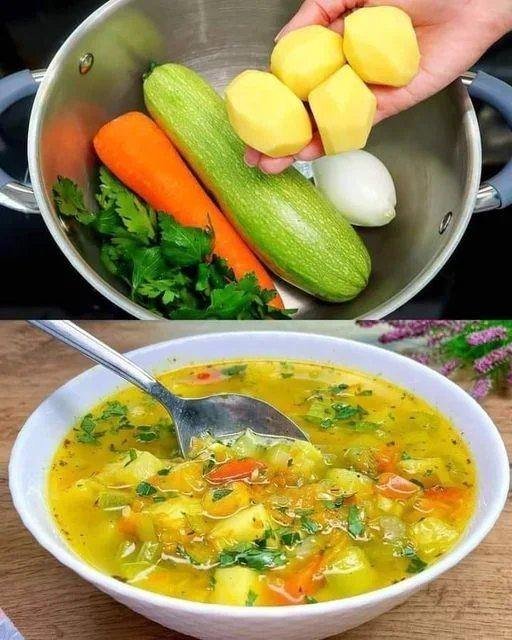
Some recipes are timeless. Some recipes are the ones you return to again and again throughout your life — through every season, every mood, every occasion — because they are so deeply nourishing, so genuinely comforting, and so reliably delicious that they never once let you down. This is the Best Vegan Vegetable Soup — and it is everything a great soup should be.
This is not a thin, watery, pale imitation of the kind of vegetable soup that gives the category a bad reputation. This is a deeply flavorful, richly colored, hearty, warming soup bursting with tender vegetables, creamy beans, and a deeply savory herb-infused broth that is so satisfying and so nourishing that it fills you up completely and leaves you feeling genuinely well-fed in the most fundamental, comforting way.
The secret to an extraordinary vegetable soup — the kind that tastes like it has been simmering all day on the back of a grandmother’s stove — is building the flavor from the ground up. Starting with properly caramelized onions and garlic. Adding tomato paste and cooking it until it darkens and deepens. Building a spice and herb base that infuses the broth with warmth and complexity. Using a rich, flavorful vegetable stock. And giving the soup enough time to simmer and develop — not hours, just 25 minutes — so that all those individual flavors meld together into something that is genuinely greater than the sum of its parts.
This recipe is 100% vegan, naturally gluten-free, packed with fiber and plant-based nutrition, endlessly customizable to whatever vegetables you have available, and ready in just 40 minutes. It is the perfect weeknight dinner, the perfect meal prep soup, the perfect thing to make when someone is feeling under the weather, and the perfect reminder that the simplest food, made with care and attention, is almost always the most satisfying of all.
Recipe Information
| Prep Time | Cook Time | Total Time | Servings | Calories |
|---|---|---|---|---|
| 15 mins | 25 mins | 40 mins | 6 | ~260 kcal |
Ingredients
For the Soup
- 3 medium carrots, peeled and diced
- 3 stalks celery, diced
- 2 medium potatoes, peeled and diced into 2cm cubes
- 1 medium zucchini, diced
- 1 cup (160g) frozen or fresh green beans, cut into 2cm pieces
- 1 cup (160g) frozen peas
- 1 can (400g / 14 oz) chopped tomatoes
- 1 can (400g / 14 oz) cannellini or borlotti beans, drained and rinsed
- 1 large onion, finely diced
- 4 cloves garlic, minced
- 2 tbsp olive oil
- 2 tbsp tomato paste
- 1.5 litres (6 cups) vegetable stock
- 1 tsp dried thyme
- 1 tsp dried oregano
- 1 tsp dried basil
- 1 tsp smoked paprika
- ½ tsp cumin
- ½ tsp salt (or to taste)
- ¼ tsp black pepper
- ¼ tsp chili flakes (optional)
- 1 tbsp soy sauce or tamari (adds incredible savory depth)
- 1 tbsp apple cider vinegar or lemon juice (brightens the whole soup)
- 1 tsp maple syrup (balances the acidity)
- 2 tbsp nutritional yeast (optional — adds savory, slightly cheesy depth)
Optional Add-ins
- 1 cup (90g) small pasta, orzo, or broken spaghetti (add in the last 10 minutes)
- 1 cup (185g) cooked quinoa or brown rice (stir in at the end)
- 2 large handfuls of spinach, kale, or cabbage (add in the last 3 minutes)
- 1 medium sweet potato (replace one regular potato)
- 1 cup corn kernels (fresh, frozen, or canned)
- 1 medium parsnip, diced (adds beautiful sweetness)
- 1 medium leek, thinly sliced (replace the onion for a milder, more elegant flavor)
To Garnish
- Fresh parsley or basil, chopped
- A drizzle of extra virgin olive oil
- Vegan parmesan or nutritional yeast
- Fresh lemon juice
- Freshly cracked black pepper
- Crusty bread croutons
To Serve
- Warm crusty bread or sourdough
- Garlic bread
- Vegan parmesan for grating at the table
- A simple green salad
Instructions
- Prepare all the vegetables. Peel and dice the carrots, potatoes, and zucchini into similar-sized 2cm cubes for even cooking. Dice the celery and onion. Mince the garlic. Having everything ready before you start cooking makes the process fast and enjoyable.
- Build the flavor base. Heat olive oil in a large heavy-bottomed pot or Dutch oven over medium heat. Add the diced onion and celery and cook for 6–7 minutes, stirring occasionally, until completely soft, translucent, and beginning to turn golden. This step is the foundation of the entire soup — properly caramelized onion creates a sweet, savory base that elevates every other flavor in the pot.
- Add the garlic and tomato paste. Add the minced garlic and cook for 1–2 minutes until wonderfully fragrant. Add the tomato paste and stir constantly for 1–2 minutes until it darkens slightly in color. This caramelization of the tomato paste adds a deep, roasted, concentrated tomato richness to the broth.
- Add the herbs and spices. Add the dried thyme, oregano, basil, smoked paprika, cumin, chili flakes, salt, and pepper. Stir well and cook for 1 minute to toast the herbs and spices in the oil. The kitchen should smell absolutely wonderful at this point.
- Add the firm vegetables and tomatoes. Add the diced carrots, potatoes, and canned chopped tomatoes. Stir everything together to coat the vegetables in the herb and spice mixture. Pour in the vegetable stock and stir to combine. Add the soy sauce, maple syrup, and nutritional yeast if using.
- Bring to a boil and simmer. Increase the heat to bring the soup to a rolling boil. Reduce to a steady simmer and cook uncovered for 12–15 minutes until the carrots and potatoes are almost completely tender when pierced with a fork.
- Add the softer vegetables. Add the diced zucchini, green beans, and drained cannellini beans. Stir to combine and continue simmering for 5–7 minutes until the zucchini is tender and the green beans are cooked through but still have a slight bite. If adding pasta or orzo add it now and cook according to package instructions.
- Add the peas and greens. Add the frozen peas and any leafy greens — spinach, kale, or cabbage — in the last 2–3 minutes of cooking. Peas only need 2 minutes to warm through. Spinach wilts in 60 seconds. Kale needs 3–4 minutes. Do not add them too early or they will become overcooked and lose their beautiful color.
- Finish and adjust. Remove from heat and stir in the apple cider vinegar or lemon juice. Taste and adjust seasoning generously — this is the most important finishing step. Add more salt for depth, more lemon for brightness, more smoked paprika for smokiness, or more chili flakes for heat. A great vegetable soup should be well-seasoned and deeply flavorful.
- Serve. Ladle into deep bowls making sure each bowl gets a generous amount of all the vegetables and beans. Garnish with fresh parsley or basil, a generous drizzle of your best extra virgin olive oil, a shower of vegan parmesan or nutritional yeast, and freshly cracked black pepper. Serve immediately with warm crusty bread.
Pro Tips for the Most Extraordinary Vegetable Soup
- Build the flavor base properly. The 6–7 minutes spent caramelizing the onion and celery and the additional minutes caramelizing the tomato paste are not optional — they are the foundation of a soup that tastes deeply complex and satisfying rather than flat and thin. Every great vegetable soup starts with a properly built flavor base.
- Add vegetables in stages. Different vegetables have different cooking times. Adding everything at once results in some vegetables being perfectly cooked while others are either mushy or undercooked. Adding vegetables in stages — firm root vegetables first, softer vegetables later, greens and peas at the very end — produces a soup where every vegetable is perfectly cooked.
- Use a rich, flavorful vegetable stock. The stock is the dominant liquid in this soup and its quality directly impacts the depth of the finished dish. A rich, well-seasoned homemade vegetable stock produces the most flavorful soup. If using store-bought stock choose a good quality dark, rich variety rather than a pale, watery one.
- Season boldly. Vegetables need significantly more seasoning than you might expect. Taste the soup throughout the cooking process and season at every stage — not just at the end. A soup that tastes slightly under-seasoned during cooking will taste perfectly balanced in the finished bowl.
- Add acid at the end. The splash of apple cider vinegar or lemon juice added right at the end of cooking brightens and lifts all the deep, savory flavors in the most extraordinary way. Acid is one of the most underused finishing tools in soup making and it makes an enormous difference.
- Do not skip the olive oil garnish. A generous drizzle of the finest extra virgin olive oil over the finished soup adds richness, fragrance, and a beautiful glossy finish that transforms the presentation and flavor of the bowl immediately.
Seasonal Variations
One of the most wonderful things about vegetable soup is its infinite adaptability to whatever is in season or available in your kitchen. Here are four beautiful seasonal versions:
- Spring Garden Soup: Use asparagus, peas, leeks, baby spinach, and fresh herbs. Keep the flavors light and bright with lemon zest and fresh tarragon. Skip the smoked paprika for a more delicate, fresh flavor.
- Summer Minestrone: Add zucchini, green beans, fresh tomatoes, corn, and basil. Stir in small pasta or orzo and finish with a spoonful of vegan basil pesto swirled through each bowl.
- Autumn Harvest Soup: Use sweet potato, butternut squash, parsnip, and leeks. Add warming spices like cinnamon and nutmeg. Finish with toasted pumpkin seeds and a swirl of coconut cream.
- Winter Root Vegetable Soup: Use turnip, celeriac, potato, carrot, and kale. Build a deeply savory, robust broth with extra smoked paprika and rosemary. Serve with thick slices of warm sourdough bread.
Nutritional Highlights (Per Serving)
| Calories | Protein | Carbs | Fiber | Vitamin A |
|---|---|---|---|---|
| ~260 kcal | 10g | 42g | 12g | 220% DV |
This vegetable soup is a genuine nutritional powerhouse. Carrots are one of the richest plant sources of beta-carotene — a single serving provides more than double the daily recommended Vitamin A intake. Cannellini beans deliver plant-based protein, iron, and extraordinary amounts of soluble fiber that supports gut health and lowers cholesterol. Tomatoes provide lycopene and Vitamin C. Celery delivers Vitamin K and powerful anti-inflammatory flavonoids. Peas add plant-based protein and Vitamin B1. The entire soup delivers more fiber than most people consume in an entire day while being naturally low in calories — making it one of the most nourishing, most filling, and most genuinely health-supporting meals available in plant-based cooking.
Storage and Reheating
- Refrigerator: Store in an airtight container for up to 5 days. The flavor deepens and improves significantly the next day as the vegetables continue to absorb the seasoned broth. This is one of the best leftover dinners in all of plant-based cooking.
- Reheat: Reheat in a saucepan over medium heat, stirring frequently. Add a splash of vegetable stock or water if the soup has thickened too much during refrigeration. Can also be microwaved in 2-minute intervals stirring between each. Always add a fresh squeeze of lemon juice and a drizzle of olive oil after reheating.
- Freezer: This soup freezes beautifully for up to 3 months. If the soup contains pasta freeze it without the pasta for the best result — cooked pasta does not freeze and thaw well. Freeze in individual portions for the most convenient weeknight dinners. Thaw overnight in the fridge and reheat on the stove.
- Meal prep: Make a large double batch on Sunday and freeze in individual portions. This gives you an instant nourishing, home-cooked vegan dinner available any night of the week with just 5 minutes of reheating — one of the smartest and most satisfying plant-based meal prep strategies available.
Frequently Asked Questions
What makes a vegetable soup truly flavorful?
The difference between a flat, uninspiring vegetable soup and one that is deeply, memorably flavorful comes down to three things — building a proper flavor base by caramelizing the onion and tomato paste, seasoning boldly and consistently throughout the cooking process, and finishing with acid (lemon juice or vinegar) and a good drizzle of olive oil right before serving. Following these three principles consistently produces extraordinary vegetable soup every single time.
Can I use frozen vegetables?
Absolutely. Frozen vegetables work very well in this soup — they are often more nutritious than fresh vegetables that have been sitting in storage for days and they are significantly more convenient. Add frozen vegetables directly from the freezer in the same stages as fresh — no thawing required. Allow an extra 2–3 minutes of cooking time for frozen vegetables.
How do I make this soup more filling?
Add one cup of small pasta, orzo, or pearl barley in the last 10 minutes of cooking. Stir in a cup of cooked quinoa or brown rice at the end. Double the quantity of beans. Add a handful of toasted nuts or seeds to each bowl as a garnish. Any of these additions significantly boosts the satiety of the finished soup while complementing the flavors beautifully.
Can I use this recipe as a base for minestrone?
Yes — this recipe is essentially a classic minestrone with slight variations. For a more traditional Italian minestrone add small pasta, increase the cannellini beans, add fresh or frozen corn, use a good quality Italian canned tomato, and finish each bowl with a generous spoonful of vegan basil pesto and a shower of vegan parmesan.
How do I store and use the leftovers creatively?
Leftover vegetable soup is extraordinarily versatile. Blend half the soup with a hand blender for a partially smooth texture that is both hearty and creamy. Pour over cooked pasta for an instant pasta e fagioli. Spoon over baked potatoes or rice for an instant complete meal. Use as a base for a quick pasta sauce by simmering until thickened. The possibilities are genuinely endless.
Can I make this soup in a slow cooker?
Yes — vegetable soup is excellent in a slow cooker. Sauté the onion, celery, garlic, and spices in a pan first for the best flavor, then transfer everything to the slow cooker. Cook on low for 6–8 hours or high for 3–4 hours. Add the peas, greens, and lemon juice in the last 30 minutes of cooking. The extended slow cooking produces an extraordinarily deep, mellow, comforting flavor that is particularly wonderful in autumn and winter.
Tried this recipe? Leave a comment below and let us know how it turned out! Tag us on Instagram and Facebook — we love seeing your plant-powered creations. For another deeply comforting plant-based bowl, try our Whole Brown Lentils Curry — rich, deeply spiced, and incredibly satisfying.

Sonia is a passionate plant-based cook and the lead recipe creator at The Green Kitchen. With years of experience crafting vibrant, wholesome vegan meals, she believes that healthy eating should be exciting, flavorful, and accessible to everyone. Her recipes are tested, practical, and designed to bring joy to your kitchen every single day.